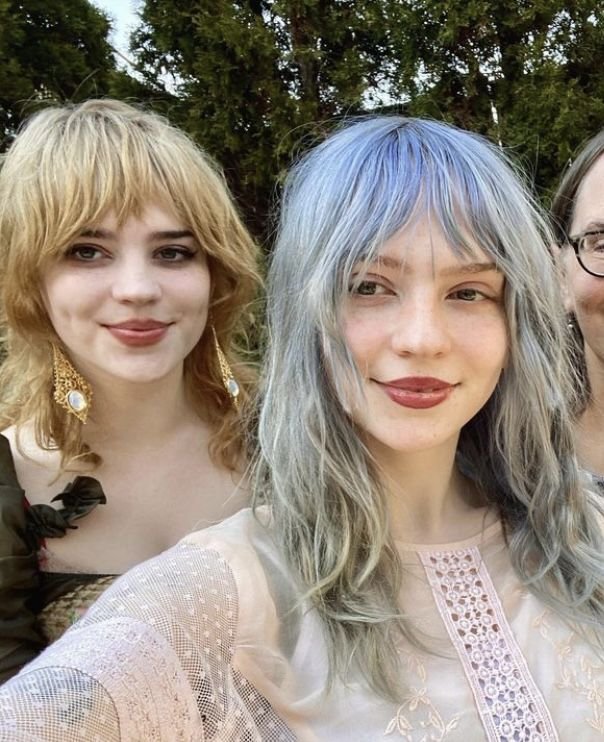
For the bigger picture and full context, make sure you read our main guide on Sophie Thatcher Twin: A Look At Ellies Artistic Life.
Many know Sophie Thatcher from Yellowjackets and The Boogeyman, but fewer are aware of her equally talented twin sister, Ellie. Beyond just sharing DNA, Sophie Thatcher twin Ellie share a deep artistic connection, each influencing and supporting the other's creative endeavors. This bond has not only shaped their individual paths but has also enriched their lives in profound ways.
At a glance:
- Explore how Sophie and Ellie Thatcher's distinct artistic pursuits actually strengthen their sisterly bond.
- Learn how their close relationship serves as a sounding board and support system for their creative work.
- Discover how their diverging paths allow each sister to explore different creative "what ifs."
- Uncover the specific ways Sophie and Ellie provide each other with honest feedback and unwavering support.
Artistic Divergence: A Strengthening Force
Initially, Sophie and Ellie explored similar artistic avenues. However, as they matured, their paths diverged. Sophie found her niche in acting, captivating audiences with her performances. Ellie, on the other hand, delved into the world of visual arts, experimenting with painting, photography, music, and videography under the moniker Junk DNA. This divergence, rather than creating distance, has actually fortified their relationship. As Sophie herself stated, seeing Ellie's creative journey allows her to explore alternative creative "what ifs."
Example: Imagine Sophie contemplating a new acting role. Ellie's experience in visual storytelling could offer her a unique perspective on character development and scene interpretation, broadening Sophie's artistic horizons.
The Power of Honest Feedback
One of the hallmarks of Sophie and Ellie's relationship is their unwavering honesty. They trust each other's artistic opinions implicitly, serving as each other's first port of call for feedback. This level of trust is crucial for artists who often face self-doubt and external criticism. Knowing that they can rely on each other for candid but supportive critiques allows them to push their creative boundaries.
Consider this: Before releasing her debut single ",", Sophie likely shared it with Ellie. Ellie's reaction, whether positive or critical, would hold significant weight, informing Sophie's next steps and bolstering her confidence.
A Shared History, Separate Stages
Sophie and Ellie did, at one time, share the stage. Early in their careers, the twins shared the role of Rebecca Gibbs in Our Town. The twins starred in Jessica Redish's 2016 music video for The Lincoln Square. While Sophie would find fame on the screen, Ellie would explore video and musical forms of art, ranging from stop motion to claymation. More on Ellie Thatcher's life can be found in the pillar article.
Ellie’s Artistic Vision: Beyond the Limelight
While Sophie garners public attention, Ellie quietly crafts her own artistic identity. As Junk DNA, Ellie released Plains of Radiance, an 18-minute experimental piece showcasing her talents in stop motion, found footage, and claymation music videos. This dedication to her craft demonstrates her commitment to visual storytelling and her unique artistic voice. Ellie was featured in Nylon in 2018 as a "Goth Pinup," further highlighting her distinctive style and artistic presence.
The Practical Playbook: Supporting Your Creative Sibling (or Friend)
How can you foster a similar supportive artistic relationship with your sibling or friend? Here's a practical guide:
- Be an Active Listener: Truly listen to your sibling's artistic aspirations and challenges without judgment.
- Provide Honest Feedback: Offer constructive criticism, focusing on specific aspects of their work. Be kind, but don't sugarcoat.
- Celebrate Small Wins: Acknowledge and celebrate their achievements, no matter how small they may seem. A simple "I'm proud of you" can go a long way.
- Offer Practical Support: Help them with practical tasks related to their art, such as setting up equipment or promoting their work.
- Respect Their Boundaries: Recognize that they may need space and time to focus on their art. Don't pressure them to share or collaborate if they're not ready.
- Attend Their Shows/Exhibitions: Showing up to support their public endeavors demonstrates your commitment and belief in their talent.
Quick Answers: Common Questions About Sibling Support and the Arts
Q: Is it possible to be truly objective when critiquing a sibling's art?
A: Complete objectivity is difficult, but striving for fairness and focusing on specific aspects of their work can help. Frame your feedback in terms of your personal reaction and suggest concrete improvements.
Q: What if my sibling's art isn't "my taste"?
A: Art is subjective. You don't have to love everything they create, but you can still appreciate their effort and offer constructive feedback on technique or execution.
Q: How do I handle it if my sibling is more successful than me in the arts?
A: Envy is natural, but focus on celebrating their achievements and learning from their experiences. Remember that success is a marathon, not a sprint, and each artist's journey is unique.
Q: What if my sibling doesn't want my feedback?
A: Respect their wishes. Offer your support in other ways, such as attending their shows or simply being a listening ear. Sometimes, just knowing you're there for them is enough.
A Decision Tree for Artistic Collaboration with Siblings
| Question | Yes | No |
|---|---|---|
| Do you both share a similar artistic vision? | Proceed with brainstorming and project planning. | Focus on individual projects and support each other's work. |
| Are you both comfortable with honest feedback? | Engage in regular critiques and collaborative revisions. | Be mindful and gentle with feedback, focus on encouragement. |
| Do you have clearly defined roles? | Divide tasks and responsibilities based on strengths. | Define roles to avoid conflicts and ensure accountability. |
| Are you both willing to compromise? | Embrace collaboration and welcome diverse perspectives. | Focus on individual autonomy and respect differing opinions. |
Actionable Close
The story of Sophie Thatcher twin Ellie underscores the profound impact siblings can have on each other's artistic journeys. By fostering open communication, providing honest feedback, and celebrating each other's successes, you can cultivate a supportive artistic relationship that enriches both your lives. Whether you are siblings, friends, or simply fellow artists, the principles of mutual respect, trust, and encouragement can pave the way for creative growth and lasting bonds.
